Mystery Mix (Day 2)

When we left the classroom yesterday we knew we were looking for a mysterious mixture of two white powders, one grainy and one powdery, that react when mixed with water.

Today we narrowed that down to nine white substances that are common household chemicals: sugar, salt, citric acid, ascorbic acid, epsom salt, baking soda, washing soda, and chalk. But that still leaves 72 combinations of chemicals, far too many to have students test this week. So today students tried to narrow down their list simply by observing.
mmday2

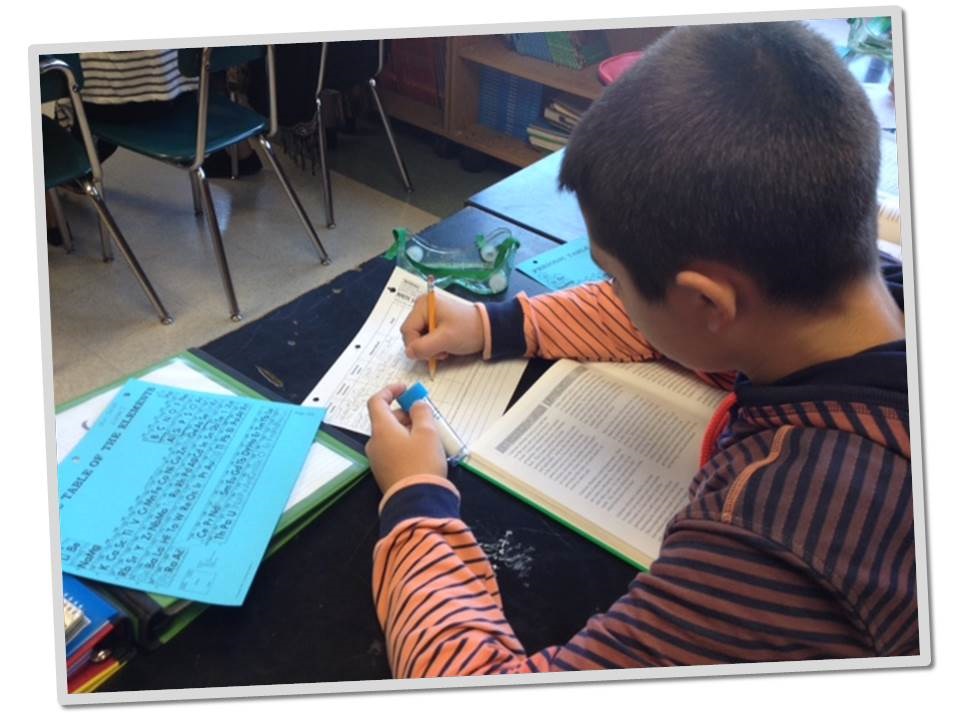
Simply through the process of observation, the first and most basic method of Chemical ID, students were able to rule out some compounds and also come up with a list of pairs that they would like to investigate further. Tomorrow we will break out the goggles, pipettes, and beakers once again to figure out which pairs of chemicals produce a reaction and hopefully identify the Mystery Mix.

October 8 – Mystery Mix Day 2 (pg205)
October 8 – Periodic Table (pg206)

*Tonight’s homework can be found on the back of Page 205.
Mystery Mix (Day 1)

Today we began our own Chemical I.D. Experiment. It’s called “Mystery Mix.”

The Mystery Mix is a mysterious mix of two chemical compounds, both white powders. Today students began simply by observing. They noticed that the white mystery mix actually had two distinct components: a fine white powder and a larger white crystal.

Later, students tested for a chemical reaction by mixing the substances with water. Although water is non-reactive, it did help the mixing process by quickly dissolving both substances together. The result was a cold, bubbling, fizzing reaction, as seen in the video below.

Error
This video doesn’t exist

So now we know we are looking for two distinct white chemicals that react when mixed. Tomorrow, we will narrow down the list further.

October 7 – Mystery Mix Day 1 (pg204)

Lab Procedures & Chemical I.D.

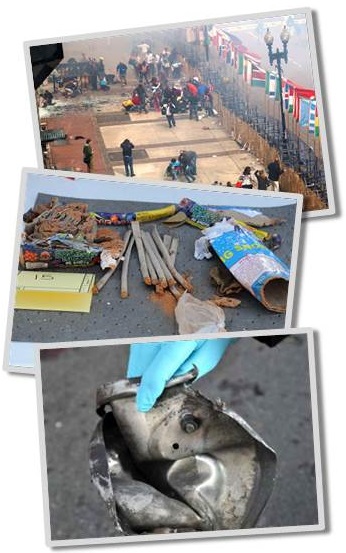
After talking about the basics of writing Lab Procedures, and learning how not to make a peanut butter and jelly sandwich, students were introduced to the process of “Chemical I.D.” Scientists quite often come across mysterious substances and they can use a variety of tools and procedures to identify them. One famous example was the case of the Boston Marathon Bombing.boston marathon bombing

In the case of the bombing, the FBI’s team of forensic chemists were able to identify that the bombs were homemade from aluminum pressure cookers, carried in nylon backpacks, using remote control detonators fashioned from toy cars. That is an amazing amount of information they were able to glean from the blast site. Using this and other information, the FBI was able to track down the Tsarnaev brothers. Ultimately, the information about the homemade bombs was used to convict the surviving brother. That’s real-world chemistry in action!

Tonight’s Homework:
Imagine the year is 2025. You have graduated college and you now work for the FBI Forensic Chemistry Dept. On October 5th, you are called in to investigate an explosion at a local school. On a separate piece of paper, write a paragraph explaining how you could use the process of “Chemical I.D.” at the crime scene. Be sure to mention any of the “four methods” you wish to use. This homework is due tomorrow.

October 6 – Chemical I.D. and the Marathon Bombings (pg203)

Intro to Chemistry

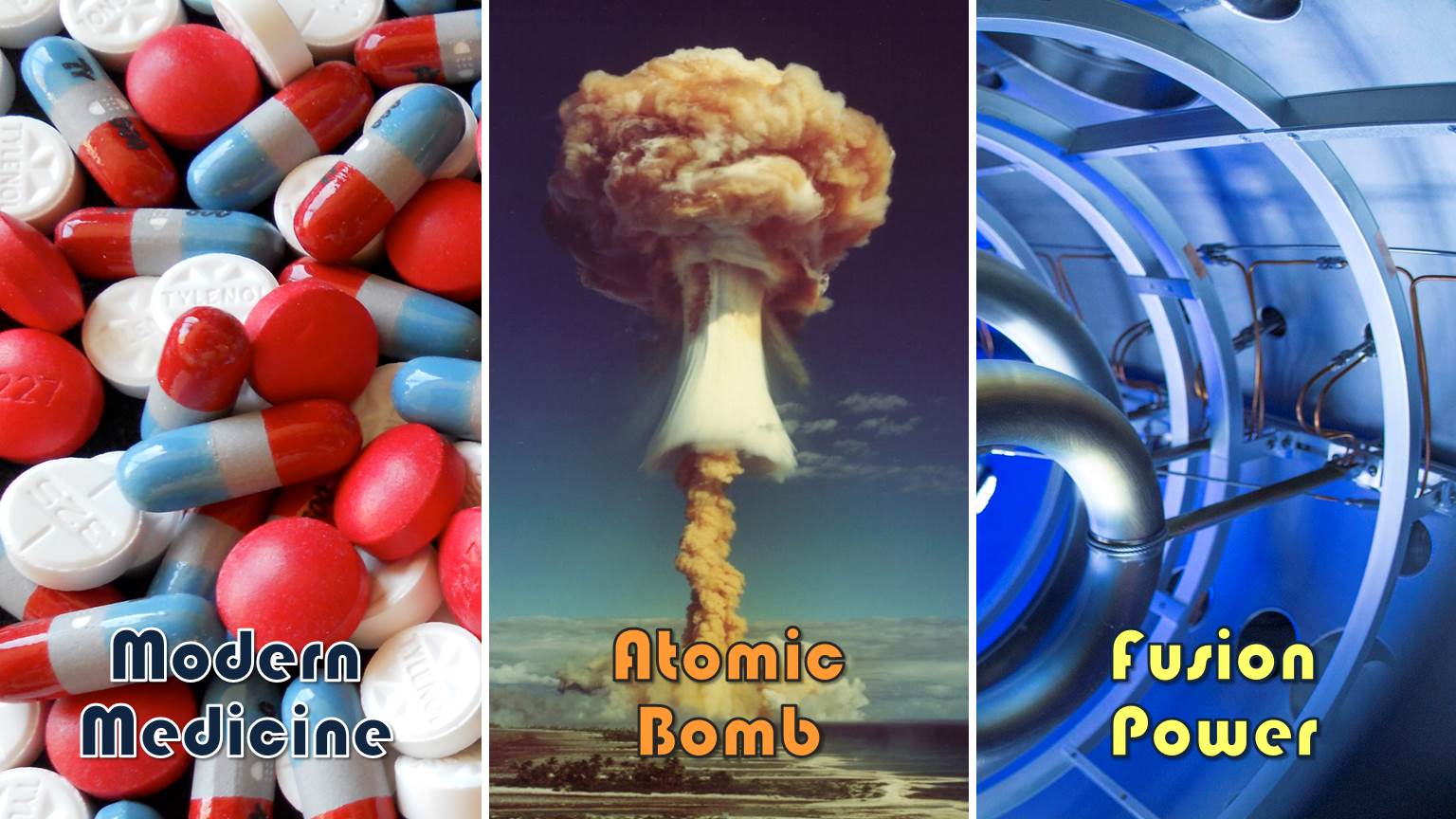
Today in class we began Unit 2: Basic Chemistry. Rather than jump right into chemical formulas, atomic mass, and counting electrons, I decided to start with more of a big-picture topic: How can chemistry change the world in which we live?

Slide1

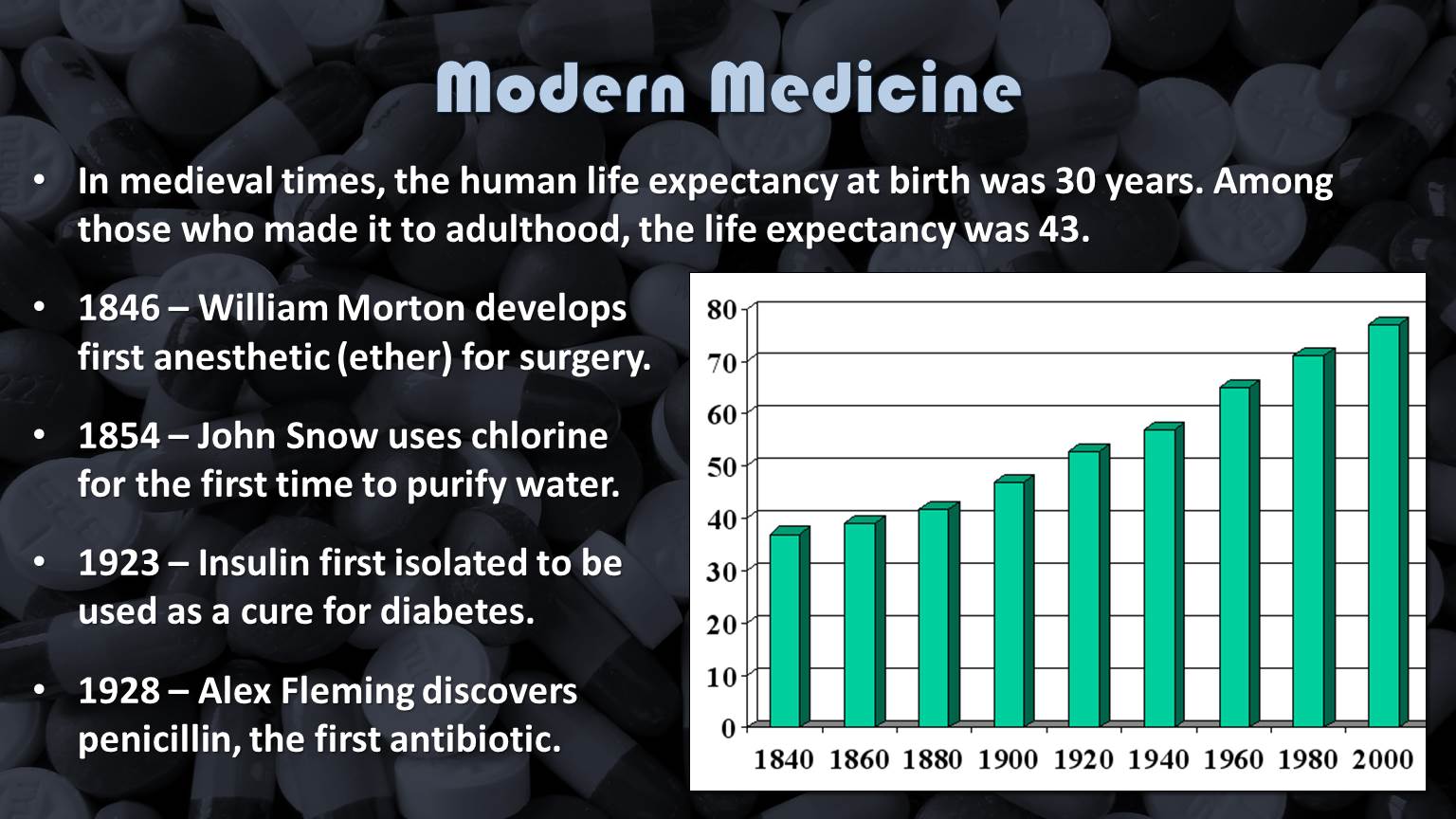
We began by discussing how chemistry has changed modern medicine. Since 1840, human life expectancy has more than doubled, thanks in large part to developments in chemistry. These have included the invention of anesthesia, the development of chlorine water treatment, the isolation of insulin, and the discovery of penicillin.

Slide2

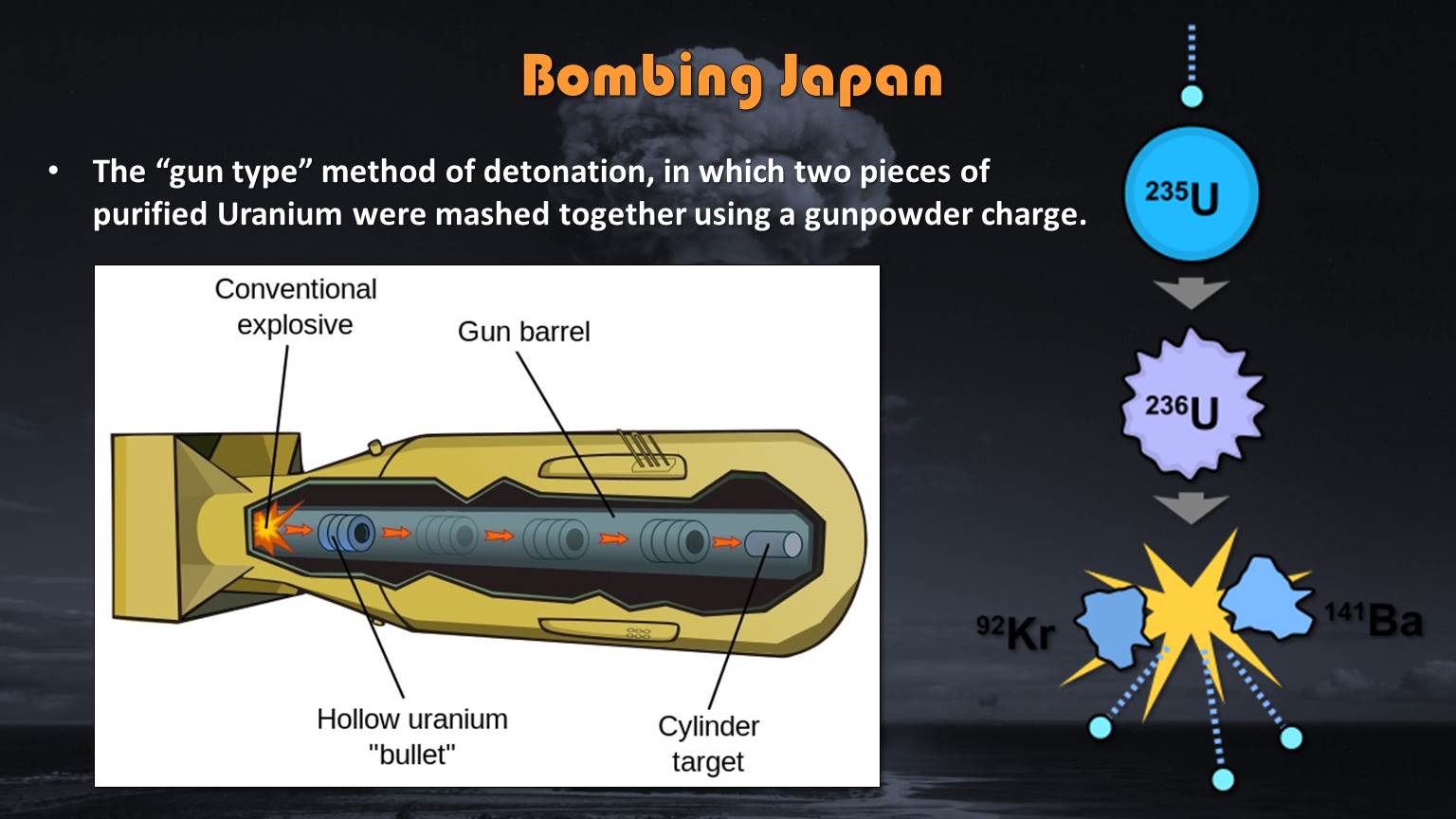
Next, we discussed the story of the atomic bomb. In the 1940s, American chemists raced to harness a nuclear fission chain reaction and develop an atomic bomb before the Germans. Ultimately, the fission of Uranium proved to be both an outstanding work of science and a tragedy. The dropping of two atomic bombs ended the war, but also killed thousands of Japanese.

Slide3

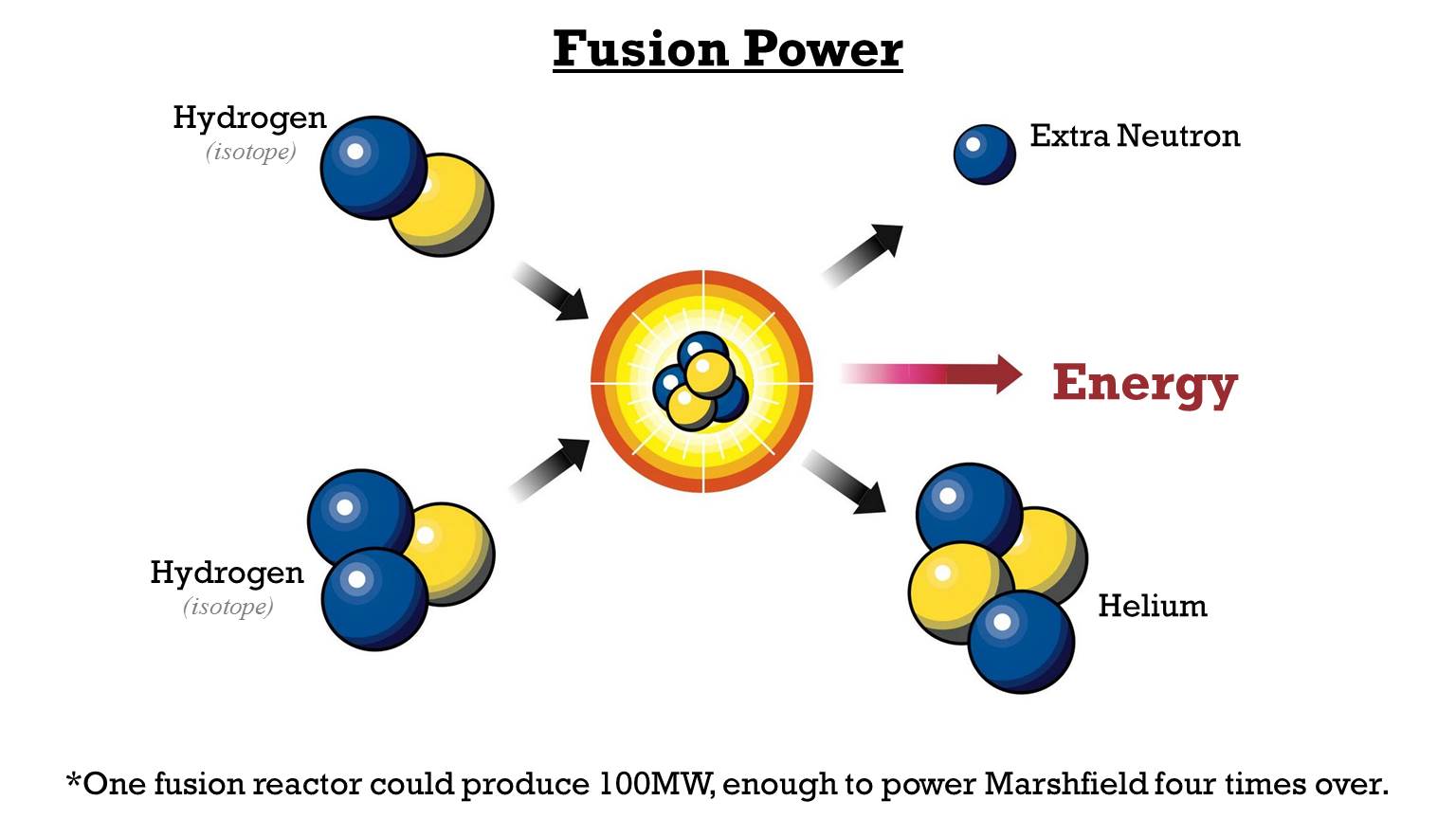
Lastly, we discussed an uplifting future application of chemistry: fusion power. By controlling the fusion of hydrogen atoms (the same basic process that powers the sun), humans could produce an almost unlimited supply of clean, pollution-free energy. It might sound too good to be true, but it’s exactly what scientists at Lockheed Martin are working on right now. Let’s hope they finish soon!

Slide4

October 30 – Intro to Chemistry (pg201)

Take 5

In class today, students got their tests back and did Take 5 Test Corrections. The Take 5 is a ritual, done after every test, where students reflect on up to five problems that they got wrong and then correct their mistakes. The instructions for a Take 5 are below.

take5

Remember that the paper with the Take 5 instructions should be kept in your binder for the rest of the year. The Unit 1 Test should also go in your binder (Page 118). The only thing you need to hand in for a Take 5 is the blank sheet of paper on which you did your corrections.

Unit 1 Test

Today in class, students took the Unit 1 Test. Results were mixed, with the average grade being around 82%. Students who are not happy with their grade should make sure to buckle down during Unit 2. When it comes to test grades, quite often, it’s not the amount of effort you put in studying the night before, it’s the daily effort you put in that dictates how well you do. So remember to be focused and productive in class every single day.

September 30 – Unit 1 Test (pg118)

Review Day

Today in class students began reviewing for tomorrow’s test. We played Trashketball, one of Mr. A’s favorite review games, as a group. Then individual students began working on the Unit 1 Study Guide. Their homework was to finish it.

If you need any help tonight with the study guide, please email Mr. A (namendolare@mpsd.org). I will try to check my email a few times throughout the evening. Or you can click the link below to see a few hints!

September 29 – Unit 1 Study Guide (pg117)