Graphology

Graphology is the study of handwriting, which can be an important part of forensic science. In the case of someone hacking into Mrs. Delaney’s computer, we only have a small sample of handwriting to analyze: the piece of paper where the criminal was trying to decode her password. Even so, there are still some important takeaways.

handwriting

The letter “e” in the writing sample was unique because it was started on the left side and then crossed over as the letter was finished. The letter “k” was unique because it was drawn with a vertical line and a sideways “v,” rather than three separate strokes. And the letter “y” was unique because it was bubbly, curvy, and finished with a hook underneath rather than a straight line.

Using these three features as keys, students traveled around the room today observing each other’s handwriting. They looked for the key features that matched as well as similarities in the overall style. So far, suspects include Max Burum, Jillian Gerard, and Bridget Parsons.

December 11 – Graphology (pg323)

Digit Ratios

digit ratios

On the second day of our forensics investigation, we took a more detailed look at the hand-print. It turns out that the hands of men and women evolved differently. Scientists think that women evolved to have longer index fingers to be more useful for gripping, while men evolved shorter ones that were better for fighting. After all, when a man throws a punch with a clenched fist, a long index finger is more likely to break.

fingerlength

Because of this difference, investigators can sometimes learn the gender of a suspect simply by looking at the hand print. By dividing the length of our suspect’s index finger (6.9 cm) by the length of the their ring finger (6.8 cm), we can calculate what’s called the “digit ratio.” Our suspect’s digit ratio is about 1.01. Compare that to the average ratios for males and females (see above) and you can be fairly sure that our suspect is, in fact, a girl.

December 10 – Digit Ratios (pg322)

Handprint Analysis

handprints

With two weeks until Christmas Break, and with the Trimester Exam scheduled for December 23rd, I have decided to go on a bit of a teaching-tangent. When a real-world opportunity presented itself this past week, I thought it would be interesting to do a short unit on Forensic Science.

On Monday, the school became aware of someone potentially having hacked into Mrs. Delaney’s grade book. Several students’ test scores were changed without her knowledge. While Mrs. Delaney is unsure who logged into her account or how they decoded her username and password, we did find some evidence — disposed of rather lazily, I would say! — in her classroom recycle bin. After observing the suspect’s handwriting, I exposed the paper to crystal iodine and was able to reveal a hand-print and several fingerprints,.

In a real forensics investigation, knowing the suspect’s hand length would be of little use. After all, the FBI doesn’t have a hand-print database. But you could use the suspect’s hand-print to estimate their height, and every adult’s height is printed right on their driver’s license! So we began today by having each student measure their classmates’ hand lengths and heights and graph the data, and then we used that data to learn a little about our suspect. What do we know so far? Whoever left the hand print is just over 5 feet all.

December 9 – Hand Length vs Height (pg321)

Unit 3 Test

Today marks the end of our Chemical Reactions unit… No more CRotDs, no more lighting things on fire, no more dot diagrams, and no more reaction equations. At least, not until the Trimester Exam. Good luck, everyone. I hope you all do well!

Marooned on Mars (Day 4)

Today was the final day of the Marooned on Mars project. Final drafts of the lab reports will be due first thing on Monday. With the procedures almost finished, most groups tackled the final and perhaps deadliest of the challenges: filtering CO2 out of the air in Mr. Watney’s living quarters.

limewaterandco2

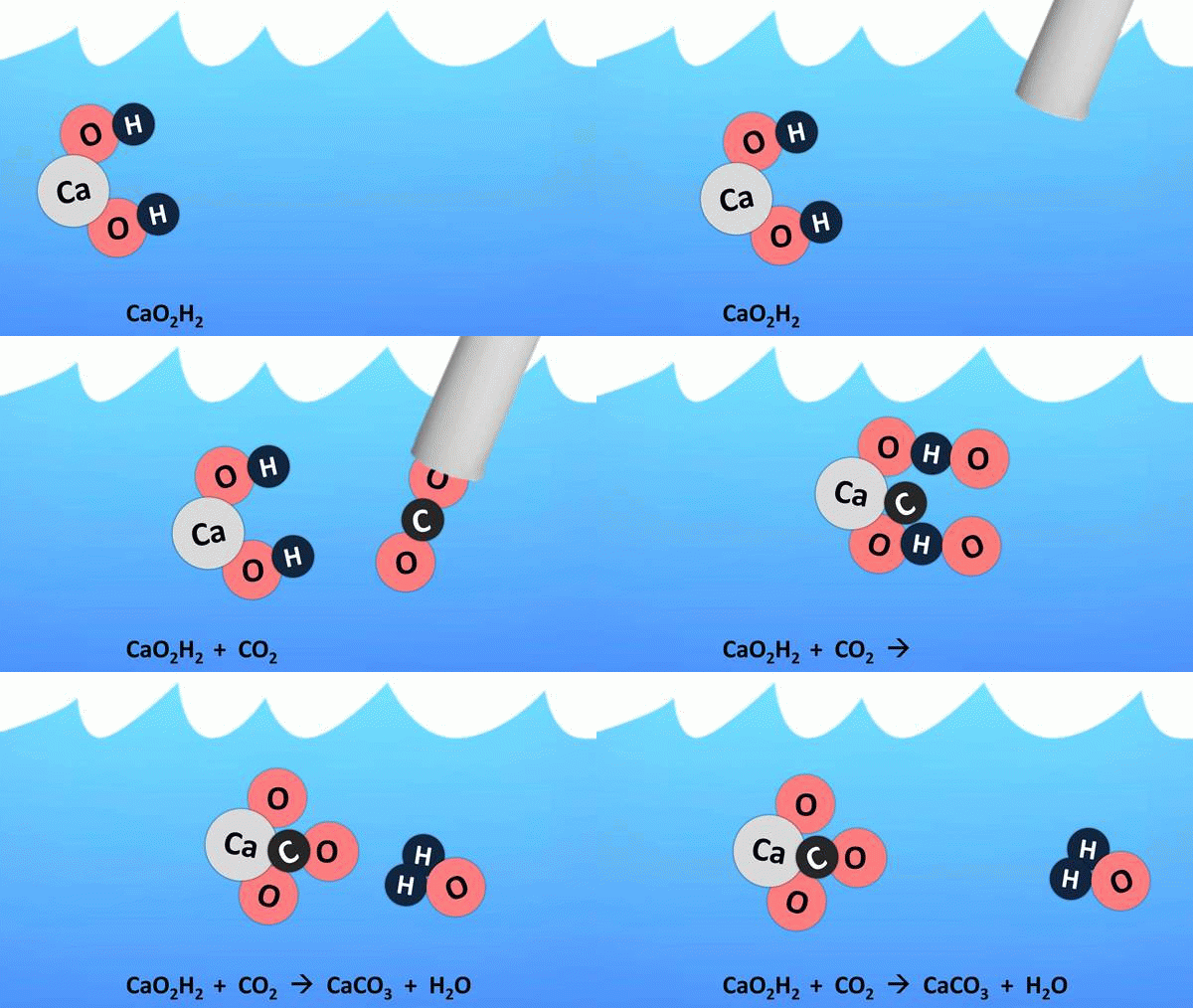
When limewater (CaO2H2) mixes with carbon dioxide (CO2), the chemicals react and turn into water (H2O) and chalk (CaCO3). In other words you are taking carbon dioxide, a gas that is poisonous in large quantities, and turning it into two harmless chemicals. Once the students discovered this reaction, they went ahead and used pumps, straws, and syringes to try to filter the air in the room through the limewater.

limewater

And with that, the last of Mr. Watney’s goals was completed. Who knew? You can purify water, make oxygen, remove carbon dioxide, and grow food, all using chemical reactions!

December 2-4 – Marooned on Mars (pg318)


Marooned on Mars (Day 3)

Today was the third day of our Marooned on Mars project, and all of the groups are making great headway. Most of the teams started off by working on the second goal of the bunch: finding a long-term supply of oxygen. Of course, as with most real-world problems, there is more than one solution.

MoMday3

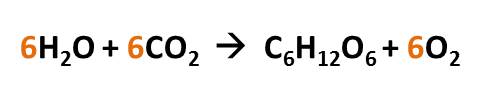
Most groups turned to the electrolysis of water. By electrocuting water using a combination of batteries, solar panels, thumb tacks, and copper wire, Watney could separate water into hydrogen gas and oxygen gas. This oxygen would be breathable, although Mark might have to somehow filter out the hydrogen gas or vent it outside. A simpler solution was to simply use photosynthesis. By planting peas, sweet potatoes, or quinoa, students could provide Mark with food and oxygen in one fell swoop!

December 2-4 – Marooned on Mars (pg318)